
Orchestration platforms have become essential for businesses managing complex fragmented workflows across b2b and b2c.
As organizations face vendor sprawl, fragmented customer data, and disconnected processes, the right orchestration solution can unify operations, automate customer journeys, and deliver personalized experiences at scale.
This guide reviews six leading orchestration platforms for 2026, evaluating their capabilities for both B2B and B2C use cases. Whether you're running multi-channel commerce, managing long sales cycles with multiple stakeholders, or coordinating real-time customer interactions, you'll find practical insights to help you choose the platform that fits your business needs.
What Makes a Strong Orchestration Platform?
Before diving into specific platforms, it's important to understand what separates effective orchestration tools from basic workflow automation. The best platforms share these core capabilities:
- Unified customer data and real-time identity resolution — pulling data from disparate sources (CRM, web, mobile, POS) to create a complete customer profile
- AI-powered journey analytics and decisioning — using machine learning to predict next-best actions, personalize messaging, and optimize experiences in the moment
- Cross-channel execution — triggering automated actions across systems (email, SMS, chatbot, agent alert) based on customer behavior or journey stage
- Flexible integration architecture — connecting to existing systems through robust APIs and pre-built connectors without requiring extensive custom development
- Human-in-the-loop functionality — seamlessly passing complex interactions to human agents with full context when automation reaches its limits
The platforms below excel in different areas, from developer-friendly integration hubs to marketer-focused journey builders, and composable DXPs that unify content, commerce, and orchestration in a single system.
6 Orchestration Platforms for B2B and B2C Workflows Worth Your Attention
1. Core dna — Unified DXP with Native Orchestration for Complex Commerce
Best for: Mid-market to enterprise organizations running multi-site content operations alongside complex B2B and B2C commerce
Core dna delivers a composable Digital Experience Platform that unifies content management, native commerce, and an orchestration engine in one system.
Unlike platforms that require stitching together separate CMS, commerce, and integration layers, Core dna's orchestration module connects content, commerce, CRM, ERP, and other business systems while automating workflows across the entire customer journey.
The platform is built for organizations that have outgrown plugin-based CMS setups and fragmented eCommerce stacks. With low-code workflow builders and AI agent capabilities, marketing and operations teams can trigger real-time customer journeys, automate complex pricing and fulfillment rules, and launch new services without custom code or replatforming.
Key capabilities:
- Visual workflow automation connecting content, commerce, and external systems (CRM, ERP, shipping)
- Native B2B commerce platform with support for custom pricing, subscriptions, and buying groups
- AI agent building for SEO, personalization, translation, and customer journey optimization
- Managed infrastructure with 99.95% uptime SLA and continuous security updates
- Dedicated expert team providing ongoing strategic support and system integration assistance
What makes it stand out:
Coredna eliminates vendor sprawl by serving as a single platform for content, commerce, and orchestration. Organizations using Coredna report significant operational savings (YMCA Greater Toronto saved $100,000 by consolidating sites), dramatic increases in online conversions (500% increase in registrations), and improved team adoption of platform capabilities. The guaranteed partnership model means businesses get both software and expert support, with scoped projects aligned to business outcomes and hands-on help bridging internal skill gaps.
Ideal use cases:
- Multi-brand or multi-regional businesses managing dozens of sites and localizations
- B2B portals requiring complex product catalogs, account-specific pricing, and approval workflows
- Organizations operating subscription models or recurring billing alongside traditional commerce
- Teams seeking to reduce dependency on developers by empowering marketing with self-serve tools
2. Workato — Enterprise Integration Platform for High-Volume Automation
Best for: Enterprises needing to connect 1,000+ applications with robust, high-volume workflow automation
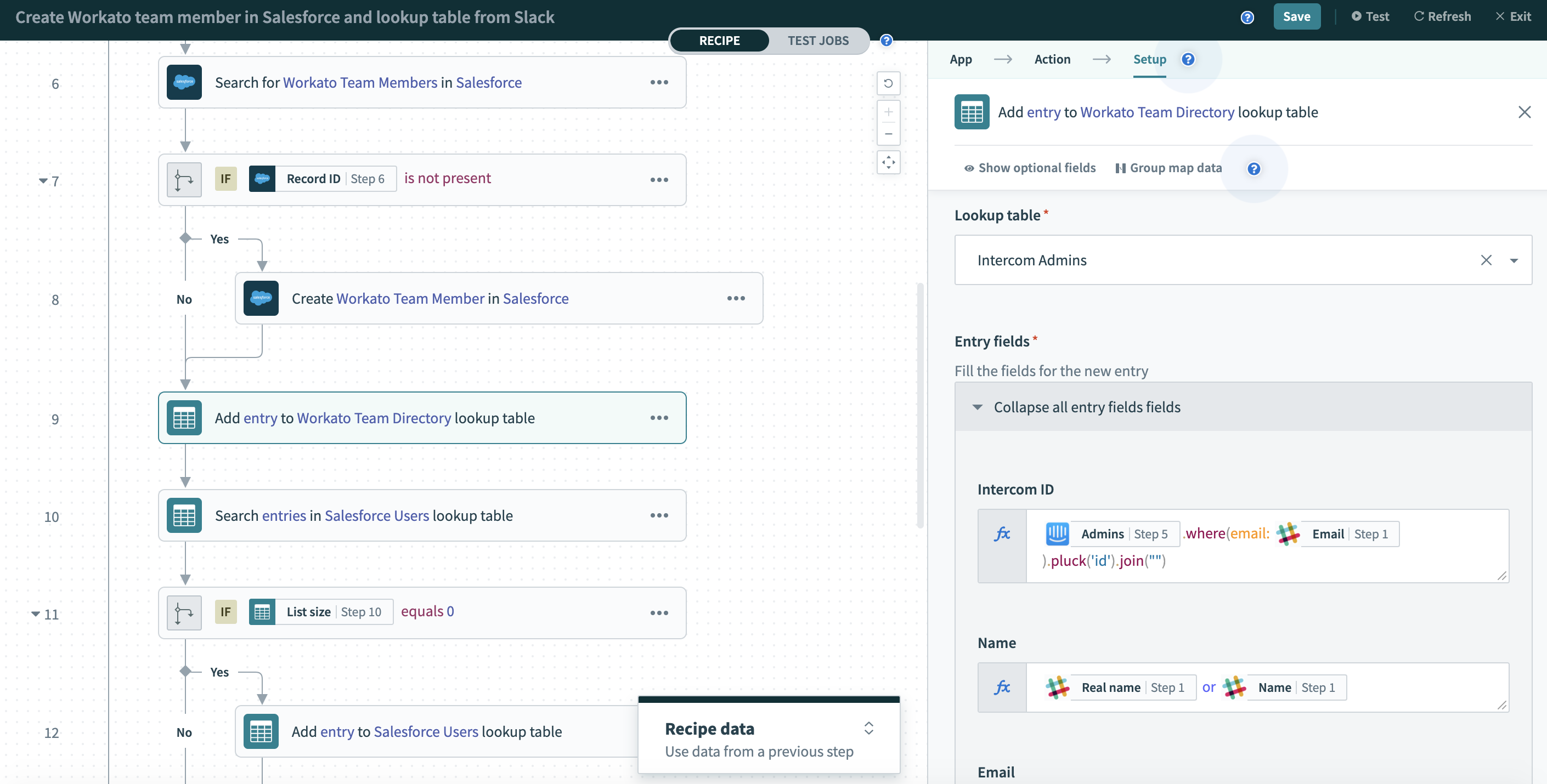
Workato positions itself as a Business Orchestration and Automation Technology (BOAT) platform, offering over 1,200 pre-built connectors and 99.9% uptime. It's designed for organizations that need to automate workflows across marketing, sales, finance, IT, and operations — both for customer-facing and internal processes.
Workato excels at bridging SaaS applications and on-premise systems, making it ideal for enterprises with complex, distributed tech stacks. Its recipe-based automation builder allows technical and non-technical users to design workflows that sync data between CRM, ERP, marketing automation, and support platforms.
Key capabilities:
- 1,200+ pre-built connectors to popular SaaS and on-premise applications
- Recipe-based workflow builder with conditional logic and error handling
- API management and custom connector development for proprietary systems
- Embedded integration framework for SaaS vendors building integrations into their products
- Enterprise governance features including role-based access and audit trails
What makes it stand out:
Workato's strength lies in its breadth of connectivity and ability to handle high transaction volumes. Organizations use it to synchronize customer data across multiple systems, automate lead routing and qualification, trigger fulfillment workflows, and unify marketing and sales operations. Its focus on both B2B and B2C use cases makes it versatile for companies operating in multiple business models.
Ideal use cases:
- Large enterprises with complex, multi-vendor tech stacks requiring deep integrations
- Operations teams automating cross-departmental workflows (marketing to sales to finance)
- SaaS companies embedding integration capabilities into their own products
- Organizations needing to synchronize data across global systems in real time
3. Salesforce Marketing Cloud — CRM-Native Journey Orchestration
Best for: Organizations already using Salesforce CRM seeking unified marketing, sales, and service orchestration
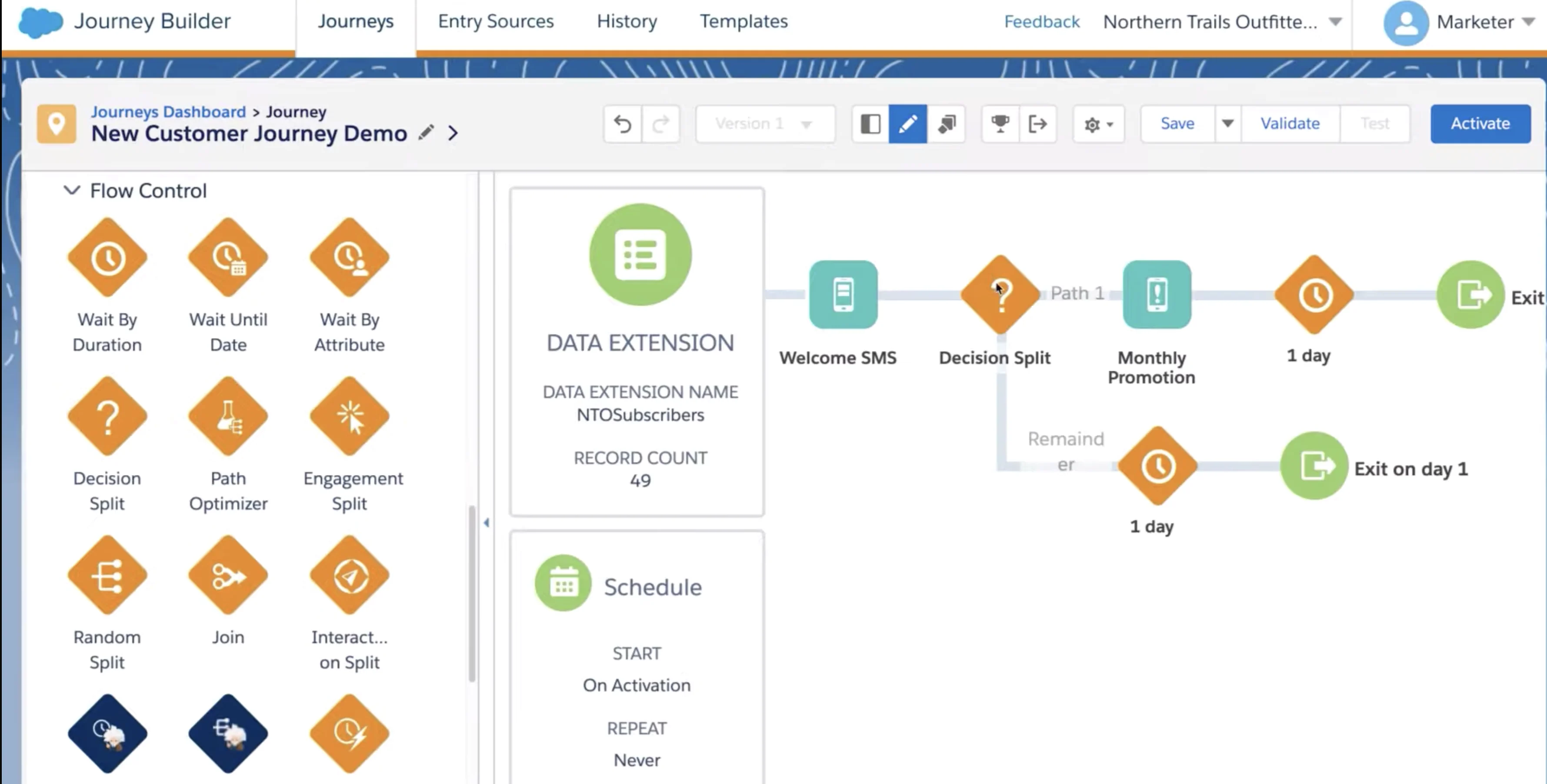
Salesforce Marketing Cloud Engagement delivers journey orchestration tightly integrated with Salesforce's CRM ecosystem. Its Journey Builder maps complex, multi-touch customer journeys across marketing, sales, and service channels, making it particularly strong for high-touch B2B relationships and personalized B2C campaigns.
The platform benefits from native access to Salesforce customer data, enabling real-time personalization based on CRM records, service interactions, and behavioral signals. For businesses already invested in Salesforce, Marketing Cloud provides a seamless way to orchestrate campaigns and automate workflows without syncing data across separate platforms.
Key capabilities:
- Journey Builder for visual design of multi-channel campaigns
- Einstein AI for predictive send-time optimization and engagement scoring
- Native integration with Salesforce Sales Cloud, Service Cloud, and Commerce Cloud
- Multi-channel execution across email, SMS, push notifications, and advertising
- Account-based marketing features for B2B buying group orchestration
What makes it stand out:
Salesforce excels at unifying customer data across the entire business lifecycle. Sales reps can see marketing engagement history, service agents can access journey context, and marketers can trigger campaigns based on sales pipeline changes. The platform's Account-Based Marketing capabilities are particularly valuable for B2B teams managing complex sales cycles with multiple stakeholders.
Ideal use cases:
- B2B companies with long sales cycles requiring coordination between marketing, sales, and customer success
- Organizations using Salesforce CRM who want to avoid data sync challenges
- Businesses needing to orchestrate journeys across acquisition, retention, and support
- Enterprises managing account-based marketing programs with buying group workflows
4. Genesys Cloud CX — AI-Powered Experience Orchestration for Contact Centers
Best for: Contact centers and customer service operations requiring AI-driven journey orchestration
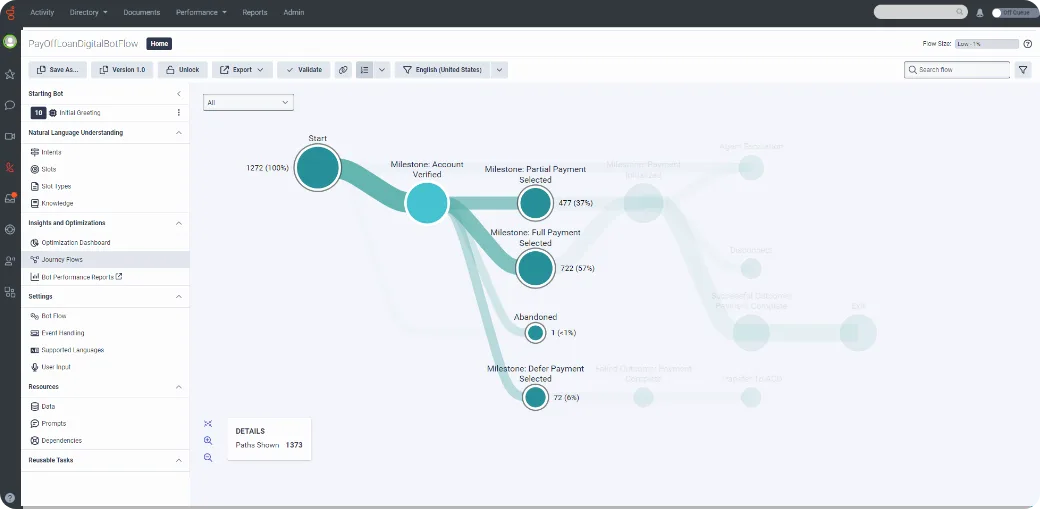
Genesys Cloud CX specializes in experience orchestration for contact center environments, using AI to predict customer needs and guide both automated and agent-assisted interactions. The platform analyzes customer journeys in real time, determines the next-best action, and routes interactions to the appropriate channel or agent.
Genesys is particularly strong for businesses where customer service is a critical touchpoint. It orchestrates experiences across voice, chat, email, SMS, and social channels while giving agents full context about the customer's journey, previous interactions, and predicted intent.
Key capabilities:
- Predictive routing and next-best-action recommendations powered by AI
- Omnichannel orchestration across voice, digital, and self-service channels
- Agent workspace with unified customer journey visibility
- Workforce engagement tools for scheduling, quality management, and coaching
- Proactive outbound engagement triggered by customer behavior or journey signals
What makes it stand out:
Genesys uses AI to anticipate customer needs and reduce friction in real time. If a customer abandons a cart, the system can automatically trigger an SMS or initiate a callback. If a service issue is detected, Genesys can proactively alert the customer and offer resolution options. The platform's focus on both customer and employee experience makes it valuable for organizations where service quality directly impacts retention and loyalty.
Ideal use cases:
- Contact centers managing high volumes of customer interactions across multiple channels
- Businesses where customer service is a competitive differentiator
- Organizations seeking to reduce handle time while improving customer satisfaction
- Companies wanting to orchestrate proactive outreach based on journey signals
5. HubSpot Marketing Hub — All-in-One Orchestration for SMB and Mid-Market
Best for: Small to mid-market B2B and B2C brands seeking an accessible, unified platform
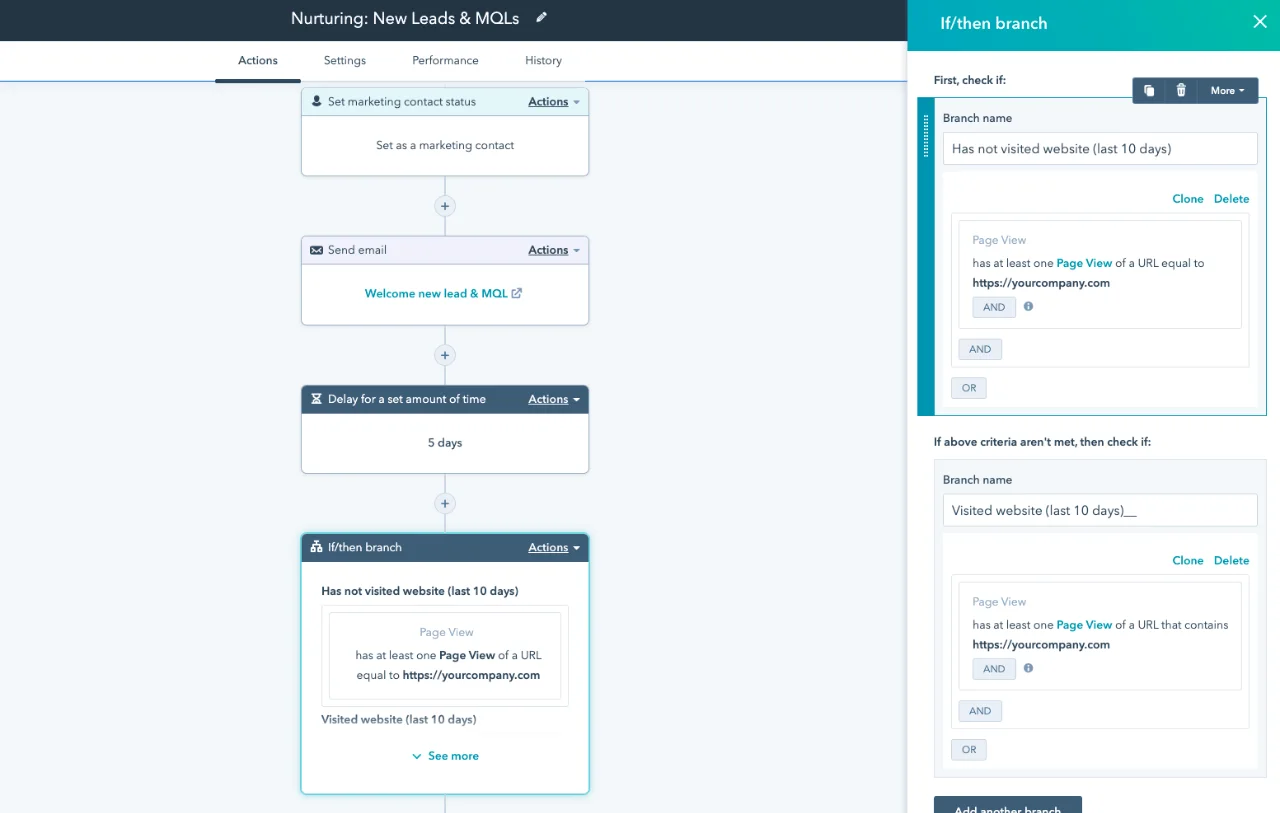
HubSpot Marketing Hub offers workflow automation and journey orchestration within an all-in-one CRM platform. Its visual workflow builder connects marketing, sales, and service data, making it easy for teams to automate lead nurturing, customer onboarding, and lifecycle campaigns without technical expertise.
HubSpot's strength is accessibility. The platform is designed for marketing teams who want powerful orchestration capabilities without requiring developers or integration specialists. It's particularly popular with B2B companies focused on inbound marketing and content-driven customer acquisition.
Key capabilities:
- Visual workflow builder with branching logic and conditional triggers
- Unified CRM database connecting marketing, sales, and service interactions
- Lead scoring and lifecycle stage automation
- Multi-channel campaign orchestration (email, social, ads, web)
- Built-in analytics and attribution reporting
What makes it stand out:
HubSpot removes complexity by bundling CRM, marketing automation, sales tools, and service capabilities in a single platform. For growing businesses, this eliminates the integration burden and provides a clear view of the entire customer journey. The platform's extensive library of templates and educational resources makes it easy for teams to get started quickly.
Ideal use cases:
- Small to mid-market B2B companies running inbound marketing programs
- Organizations seeking an all-in-one alternative to stitching together multiple tools
- Marketing teams without dedicated technical resources
- Businesses prioritizing ease of use and speed to value
6. Adobe Journey Optimizer — Enterprise-Grade Personalization at Scale
Best for: Large enterprises requiring real-time decisioning and cross-channel personalization
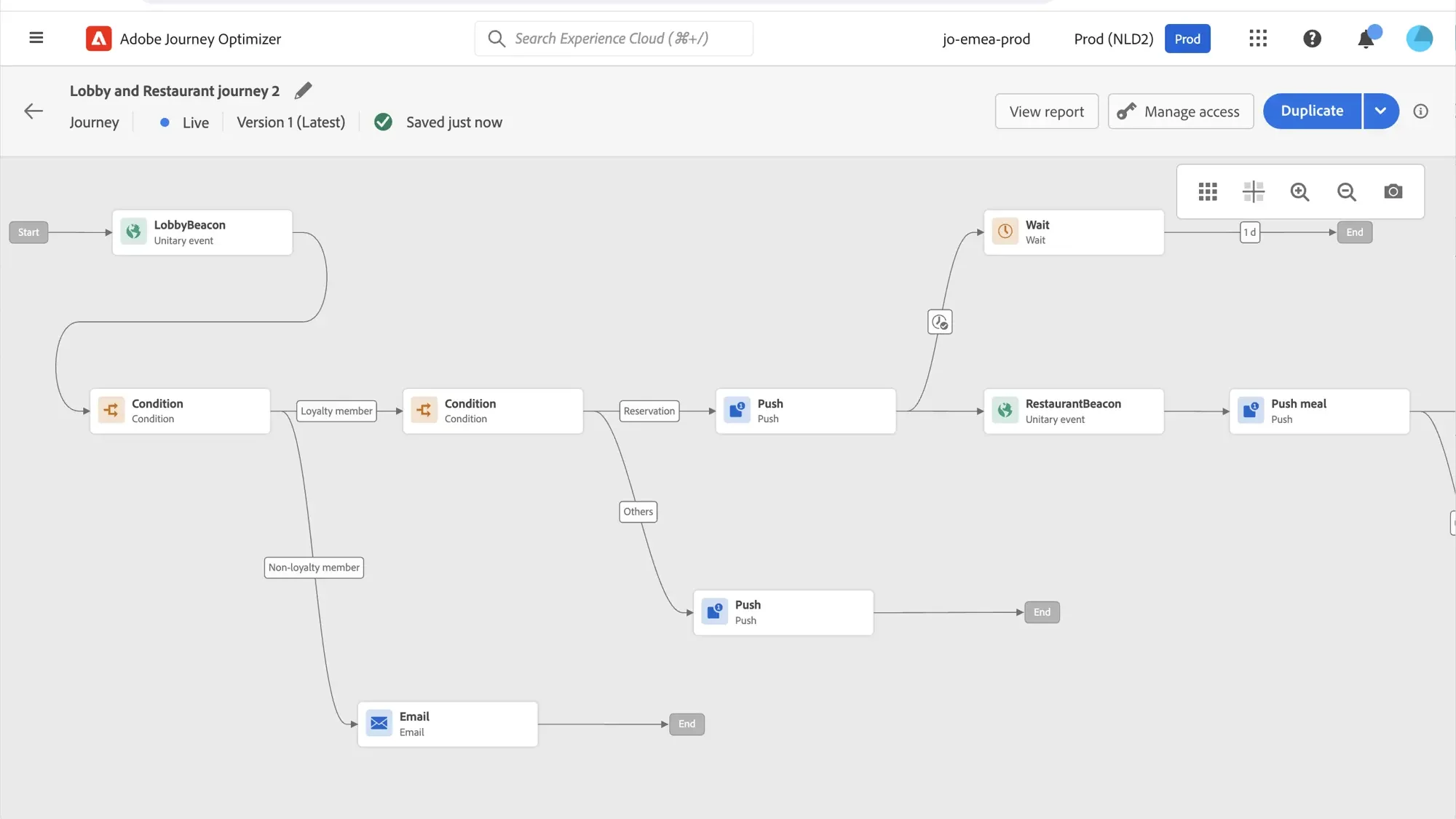
Adobe Journey Optimizer delivers enterprise-scale orchestration with advanced AI personalization and real-time decisioning. Built on Adobe Experience Platform, it unifies customer data from online, offline, and third-party sources to power 1:1 personalized experiences across every touchpoint.
Adobe's B2B edition specifically addresses complex account-based journeys by orchestrating interactions with buying groups — tracking multiple stakeholders within a single account and coordinating touchpoints across inbound and outbound channels.
Key capabilities:
- Real-time customer data platform with identity resolution and unified profiles
- AI-powered decisioning for next-best-action and offer optimization
- Account-based orchestration for B2B buying groups
- Cross-channel campaign execution (email, web, mobile, SMS, in-app)
- Advanced journey analytics with attribution and optimization recommendations
What makes it stand out:
Adobe Journey Optimizer excels at handling massive data volumes and delivering real-time personalization at enterprise scale. Its decisioning engine evaluates millions of customer signals to determine the optimal message, offer, and channel for each individual. For large organizations managing complex customer journeys across multiple brands and regions, Adobe provides the sophistication and scalability required.
Ideal use cases:
- Global enterprises managing multi-brand, multi-regional customer experiences
- B2B organizations orchestrating journeys for complex buying groups
- Companies requiring real-time decisioning based on behavioral and transactional data
- Organizations with dedicated marketing operations teams and technical resources
Choosing the Right Orchestration Platform for Your Business
The best orchestration platform depends on your specific business model, technical capabilities, and growth objectives. Here's a quick framework to guide your decision:
- If you need unified content, commerce, and orchestration in one platform — Coredna eliminates vendor sprawl by combining CMS, native multi-store B2B/B2C commerce, and orchestration capabilities with expert support and managed infrastructure.
- If you're connecting dozens of SaaS tools across departments — Workato's 1,200+ connectors and high-volume automation make it ideal for enterprises with complex, distributed tech stacks.
- If you're already using Salesforce CRM — Marketing Cloud's native integration provides seamless orchestration across marketing, sales, and service without data sync headaches.
- If customer service is a critical competitive advantage — Genesys delivers AI-powered orchestration specifically designed for contact center environments and omnichannel support.
- If you're a small to mid-market team prioritizing ease of use — HubSpot's all-in-one platform removes complexity while providing powerful automation for B2B inbound marketing.
- If you're an enterprise requiring real-time personalization at massive scale — Adobe Journey Optimizer provides the advanced AI decisioning and data unification capabilities large organizations need.
Successful orchestration isn't just about technology — it's about connecting systems, empowering teams, and delivering consistent, personalized experiences that drive business outcomes. By evaluating these platforms against your specific requirements and use cases, you can find the solution that transforms how your organization manages B2B and B2C workflows while positioning you for long-term growth.
Summarize with