





SEARCH FOR MULTI-PROPERTY OPERATORS

AI search that already knows what you sell, what you publish, and who's looking

AI search that already knows what you sell, what you publish, and who's looking
60+
Storefronts and sites
served by one search model

Clark Rubber   |   YMCA Greater Toronto   |   Frontier Touring   |   Randy's Worldwide   |   Standard Process

G2 Enterprise
Digital Experience Platforms
★★★★★
4.5
FOUR MECHANICS what every search on Core dna runs on

Search runs on the data. Not a copy of it.

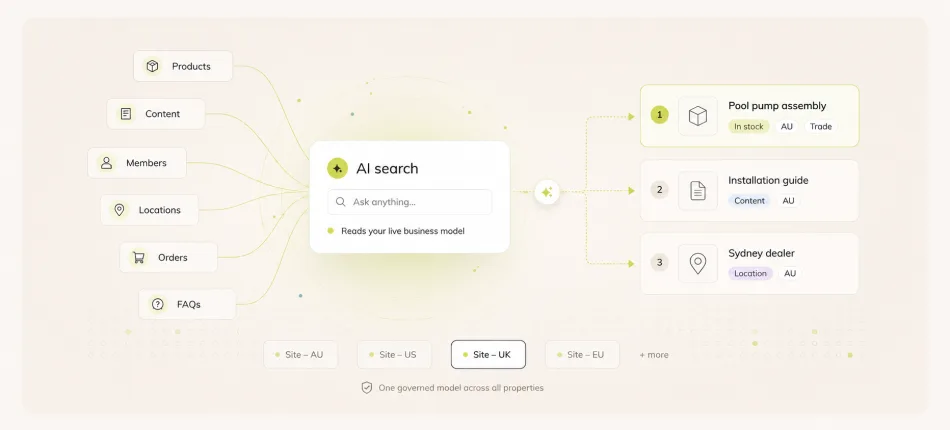
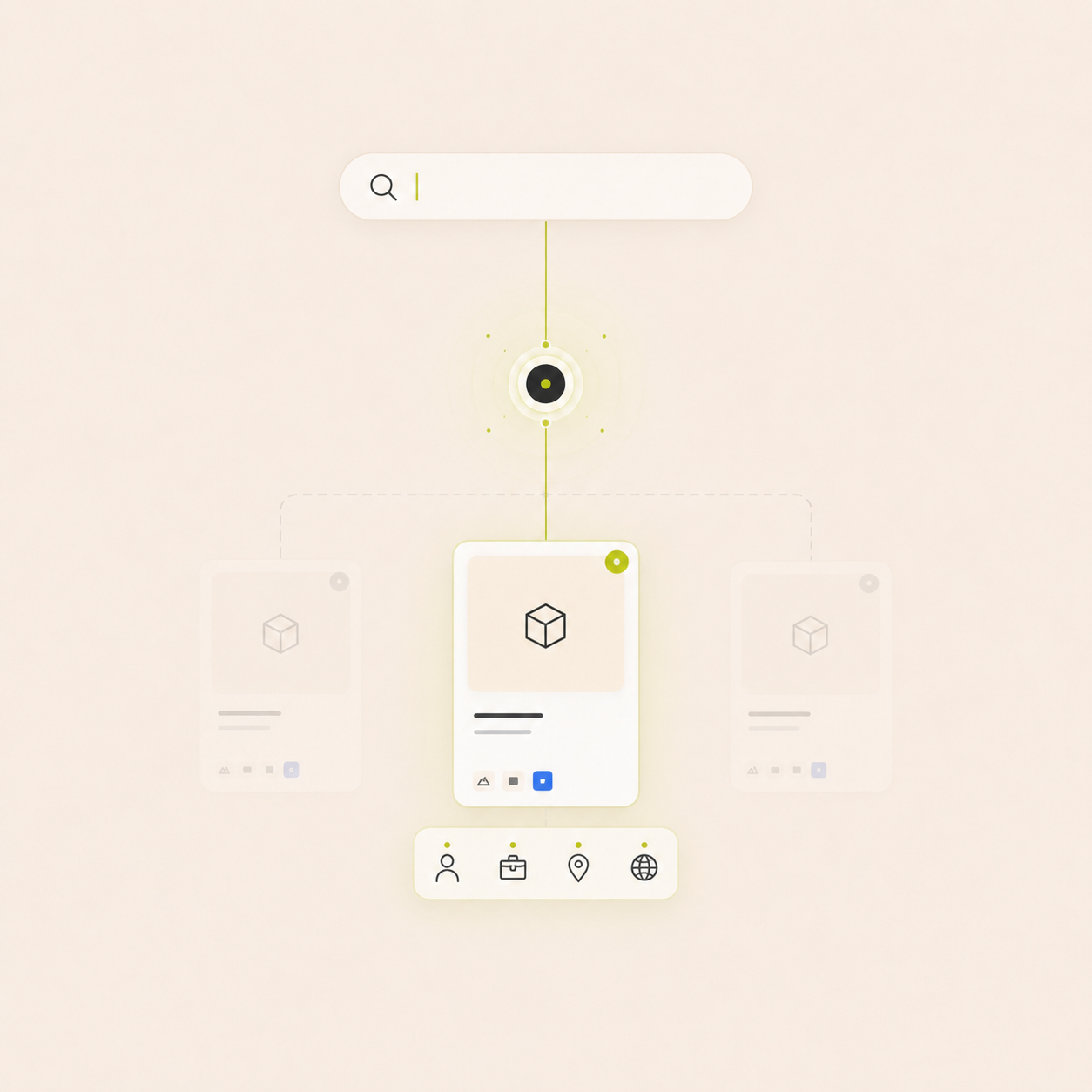
Core dna search reads the live model your business runs on: products, content, members, dealers, locations, courses, the lot. The data is the index. No pipeline to build, no sync window to babysit, no second copy to drift. Set up in hours, tuned in plain language, accurate the moment anything changes.

01 Modelled, not indexed

Search the live model, not a copy of it

Search every entity the platform already understands: products, variants, pages, articles, FAQs, courses, members, dealers, custom objects. 
02 One model, every property

Scope search by site, brand, region, or role

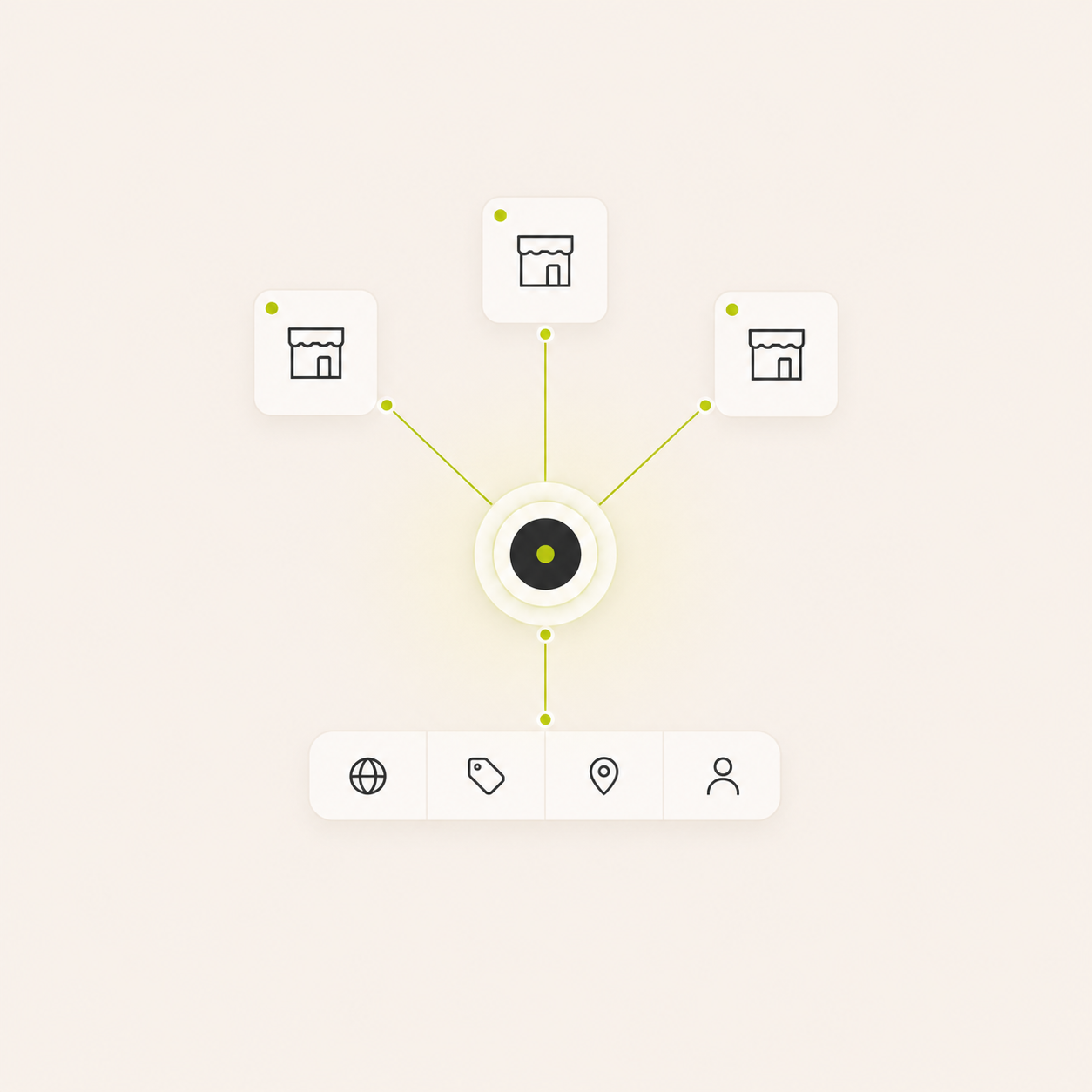
Run one search across every storefront, or scope it to a region, an account, a tier. Same data, governed boundaries.

03 Personalised by default

Rank by who is actually searching

Member status, dealer tier, B2B contract, location, language. All already in the platform, so search ranks against them without a separate personalisation tool.

04 Tuned by prompt

Merchandise in plain language

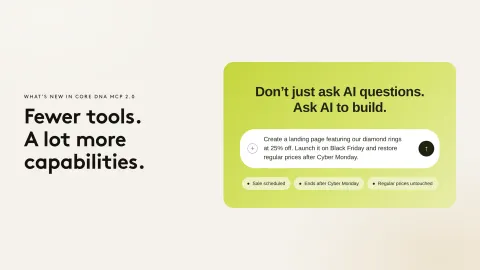
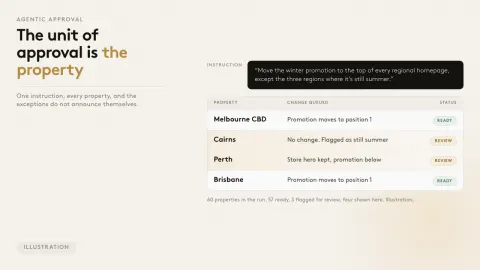

Boost in-stock items in the AU store this week. Surface premium variants for trade accounts. Promote a campaign across three sites. Describe the change, approve, ship.

For teams running search across more than one digital property.

Core dna search powers multi-site, multi-brand, multi-region, and franchise search from one governed platform, with scope, ranking, and tuning that follow the rules your business already runs on.

Your search index is your data model. Not a copy of it

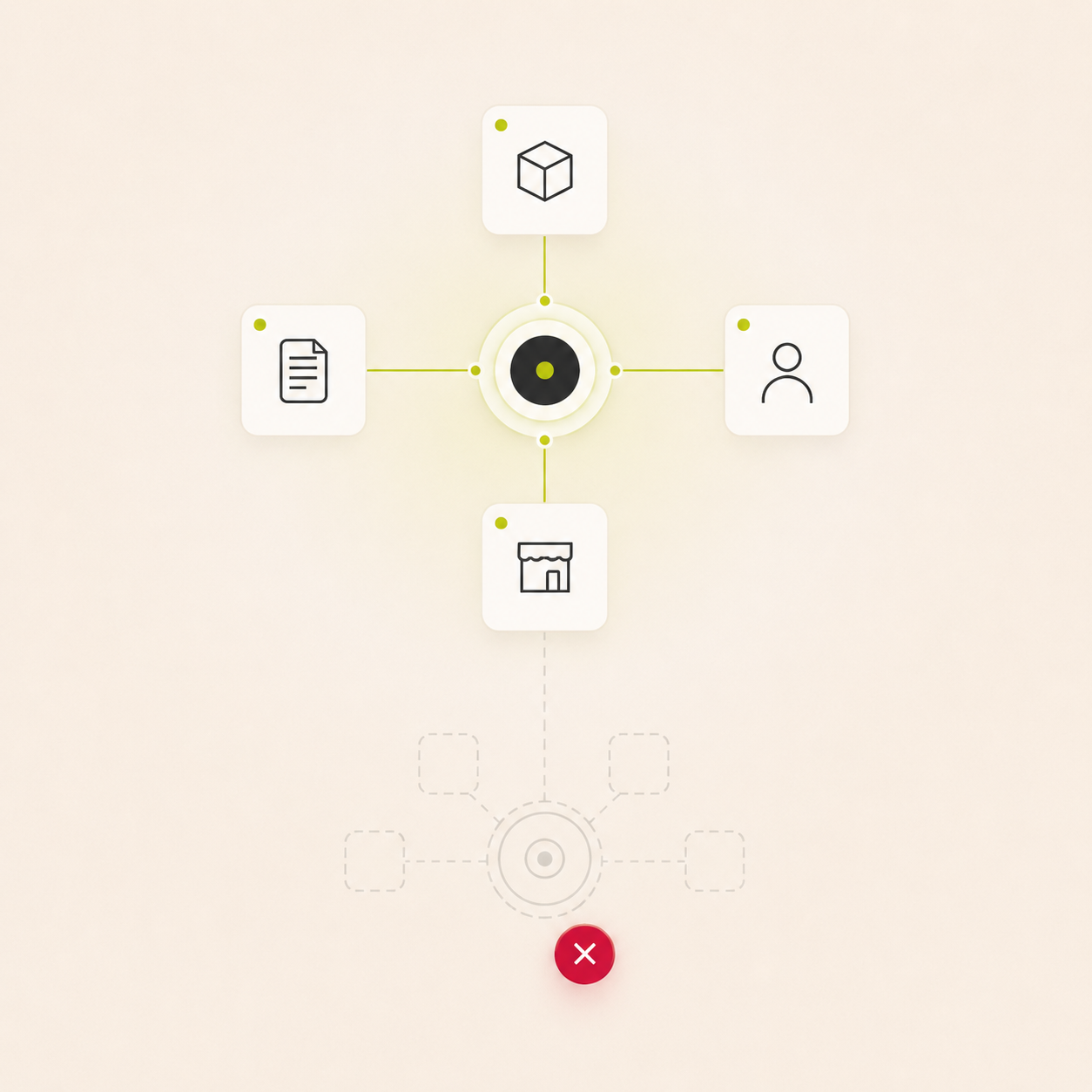

A product changes price, a course gains a module, a dealer changes tier, and search already knows, because search reads the record itself, not an export of it. Pages, products, variants, members, dealers, locations, courses, custom objects: if the platform models it, search finds it, the moment it changes.

  • Search every entity the platform models, including custom objects
  • No ingestion job, no sync window, no flattened copy
  • Schema changes go live in search the moment they go live in the system
  • One audit trail across content, commerce, and search
Custom entities
Image
Image

Rank results to your business goals, on live signals

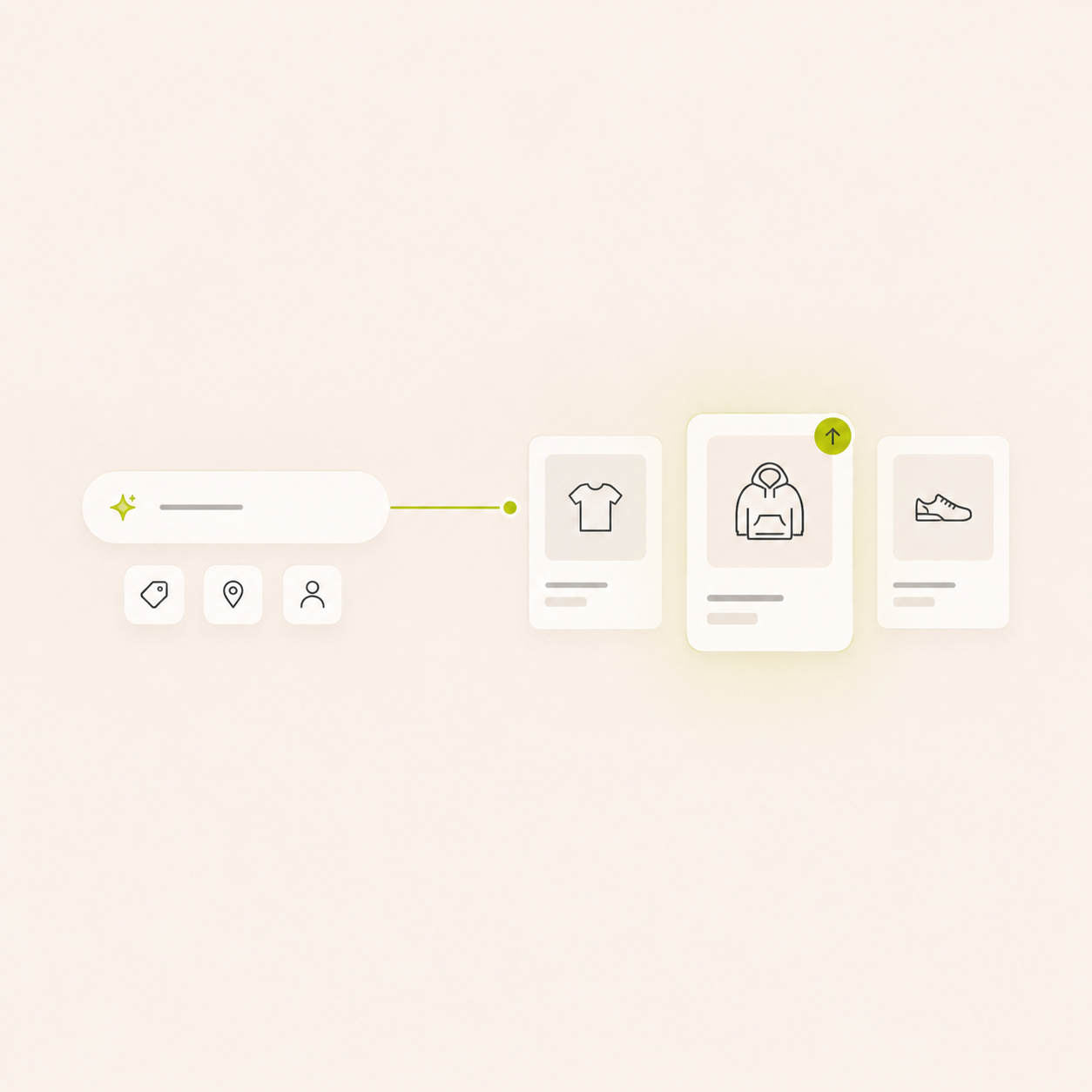

Stock levels, warehouses, price books, and orders are entities in the same model search reads, so ranking follows the goals you set, not a hardcoded formula. A precise match stays on top even at two left, with the scarcity shown. Among equivalent results, in-stock items rise, campaigns surface, margin lines lead. You decide the rule. The live record supplies the signal.

  • A precise match is never buried: scarcity becomes urgency, not a demotion
  • In-stock items rise among equivalent results, per your rule
  • Campaign, margin, and price-book merchandising scoped per property
  • Zero-result and low-stock terms fire hooks to the right team
eCommerce platform

One team runs search across every property. No second vendor in the loop

Core dna search lives inside the platform your team already runs. Same login, same permissions, same audit trail, same prompt. The person who edits the page, the person who prices the product, and the person who tunes the ranking work in one console, so one team carries search across every property, end to end.

  • One platform, one login, one permission model for search
  • No separate indexing pipeline to maintain
  • No specialist search engineer required to tune relevance
  • Retire the vendor, keep the capability
Roles and permissions
Image
Image

AI search drives the sale. Your catalogue closes it

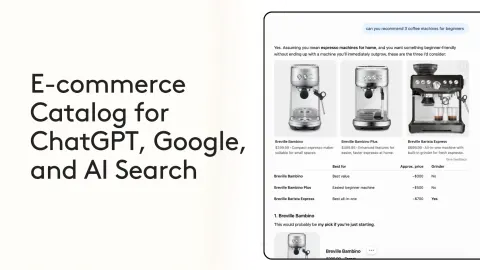
A buyer asks their assistant for a part, a course, a venue. The assistant queries your catalogue through the Core dna MCP server and answers with live stock, current pricing, and local availability, scoped to what that buyer is entitled to see. The order completes in the same conversation. Wherever the question is asked, your catalogue sells.

  • Catalogue and content reachable from Claude, ChatGPT, and any MCP client
  • AI answers grounded in the live model, not an exported copy
  • Permissions and entitlements applied to every agent query
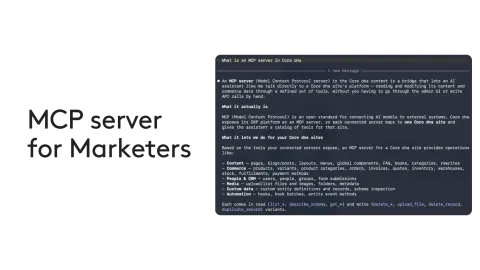
  • One MCP server across every property
Core dna MCP server

Search runs on the live model. Same governance, same prompt, same team.

The query, the index, the ranking rule, the personalisation attribute, the approval flow, and the audit log all run on the same platform, on the same data model, with the same permissions as the rest of your operation.

The search fundamentals, built for multi-property operations

Hybrid retrieval, faceting, ranking, synonyms, personalisation, multi-language, and analytics. Already inside the platform, already governed.

Govern every search, every rule, every change.

Audit log

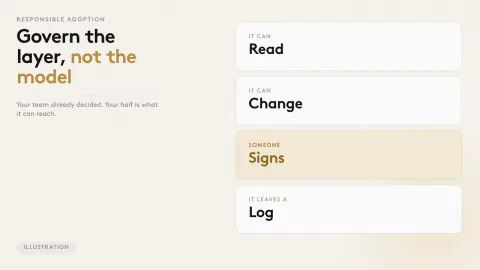
Every relevance change, synonym edit, boost, ranking rule, and permission change writes to the audit log. Filter by index, by user, by date. Compliance and forensics share the same record.

Roles and permissions

Per-index permissions control who edits the schema, who tunes the relevance, and who reads the analytics. Permissions inherit from role and group, with per-property overrides.

Approval flow

Every ranking change is a draft until two reviewers approve. The same approval flow that ships a content change ships a search rule. Block on missing approval, audit the path.

Revisions

Every change to an index, a synonym, a ranking rule, or a business rule writes a new revision. View the full history, compare versions, and restore a previous revision to active with one click.

USE CASES the universality of search on Core dna

Every Core dna operator searches.

MEMBERSHIP ORGANISATIONS DIRECTORY · GATED CONTENT · COURSES

Search the member directory, the gated library, and the course catalogue.

Find members by tier, status, or chapter. Surface gated resources by entitlement. Search course content, certifications, and event archives, all scoped to who is signed in.

Member directory Gated content Courses Event archives
DISTRIBUTORS AND B2B CATALOGUE · CONTRACT PRICING · RFQ HISTORY

Search the catalogue with contract pricing already applied.

Account-specific products, contract-only variants, agreed pricing, RFQ history, warranty records, and parts cross-references. Searchable to the trade buyer, hidden from retail.

Contract catalogue Account pricing RFQs Warranty Parts
FRANCHISE NETWORKS STORE LOCATOR · LOCAL STOCK · PARTS BY LOCATION

Search across every location, scoped to the local store.

Find the nearest store, the local stock level, the locally-priced part, the location-specific service. One model, scoped by location, governed by franchise headquarters.

Store locator Local stock Local pricing Services
MULTI-BRAND RETAIL CATALOGUE · MERCHANDISING · MULTI-BRAND · MULTI-LANGUAGE

Search every brand, every variant, every language from one engine.

Cross-brand product search, per-brand merchandising, per-region language, per-storefront in-stock filtering. Hybrid retrieval handles typos, partial SKUs, and natural-language queries.

Cross-brand Variants Languages In-stock
LEARNING AND CERTIFICATION COURSES · MODULES · CERTIFICATIONS · LEARNERS

Search courses, modules, learners, and certifications.

Find a course by topic, a module by skill, a learner by status, a certification by date. Search the catalogue from the public site and the learner record from the admin. One engine, two contexts.

Courses Modules Learners Certifications
NON-PROFIT AND CAUSE DONORS · PROGRAMMES · BENEFICIARIES

Search donors, programmes, beneficiaries, and campaigns.

Find a donor by tier, a programme by status, a beneficiary by intake date, a campaign by region. The same governed search that runs the public site runs the back office.

Donors Programmes Beneficiaries Campaigns

Connected to every record, every workflow, and every agent.

Content and pages

Search pages, articles, FAQs, knowledge-base entries, and gated resources. The CMS and the search engine read the same content model.

Products and catalogue

Search products, variants, categories, attributes, and inventory. The storefront and the search engine read the same catalogue model.

Members and people

Search person records by tier, group, chapter, or status. The same record the form writes, the order touches, and the gated page reads.

Custom entities

Search dealers, courses, donors, beneficiaries, locations, claims. Every entity that models the business. Add an entity, search it the moment it goes live.

Orders and invoices

Search the order history, the invoice ledger, the B2B contract, the subscription record. The commerce ledger is searchable by the same engine that runs the storefront.

Personalisation

Search ranks against the same attributes the storefront and CMS personalise against. The personalisation rule and the ranking rule share the same person record.

Hooks and workflows

A zero-result query, a high-volume term, or a ranking shift can fire a hook. Notify a team, escalate to approval, push to a BI tool, trigger a downstream flow.

Agentic and MCP

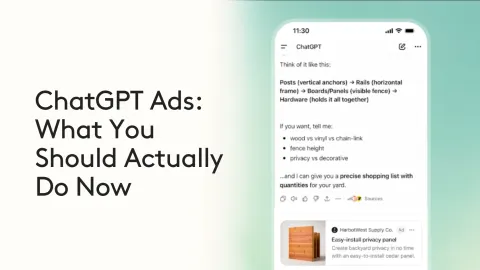
Create, tune, scope, and audit search via any MCP client: Claude, ChatGPT, or a custom agent. Search ops become events the agent can route, summarise, or act on.

FAQ

Questions teams ask before they retire their search vendor.

Yes. Indexes scale to millions of records with sustained query loads per property. Latency targets are sub-100ms at p95 on production workloads, scaled per property on the same infrastructure as the rest of the platform.

Yes. Core dna search exposes a full REST and GraphQL API alongside a built storefront search experience. Use the experience as-is, customise it, or render the API into your own front end.

Tune in plain language. Describe the change and set the scope: this brand, that region, the AU storefronts this week. The platform prepares a draft for approval. Synonyms, boosts, merchandising rules, and business rules all live in the same workflow as content and pricing.

A separate contract, a separate index, and a separate place to log in. Hybrid retrieval, faceting, ranking, personalisation, multi-language, and analytics stay. Most teams find their search experience improves because content, commerce, and customer data finally live in the same model.

Yes. Connector-based ingestion brings data from ERPs, PIMs, legacy CMSes, and partner systems into the same index. Once mapped to a custom entity, the data is searched, ranked, and personalised by the same engine as native records.

One model, every language, every region. Each property scopes its own language fallback, regional synonyms, and locale-aware ranking. A single query can match across languages or stay scoped to one, depending on the property's rule.

GET STARTED

Bring your hardest search requirement to the demo.

Tell us the catalogue, the audiences, and the relevance rules that make your search hard today. We will show you how the same search runs across every property, from one platform.