
Big Commerce vs Core dna
If you're evaluating B2B and multi-site commerce platforms and need content, orchestration, and AI execution to work as one, this is the comparison worth reading before you decide.
Core dna the Agentic DXP
Shopify Plus is a commerce-first platform built around the checkout. Core dna is the Agentic DXP, built for growing brands that need content, commerce, and orchestration unified, with AI agents that actually execute across all of it. If you're doing more than selling, the comparison matters.
They're built for different problems
Before comparing features, understand what each platform was designed to solve, and for whom.
Core dna - The Agentic DXP
Built for growing brands that need content, commerce, and orchestration to work as one, with AI agents that actually execute.
- Purpose-built for teams outgrowing the limits of a commerce-only platform.
- Brands outgrowing BigCommerce's content and orchestration ceiling
- Multi-site operators: franchises, regional portals, multi-brand portfolios
- B2B and B2C running from the same unified platform
- Lean digital teams (1–5 people) running complex operations
- Teams using AI tools that still publish everything manually
Big Commerce - Open SaaS Commerce
Built for commerce-first teams that want a headless-flexible, B2B-capable engine they can extend and connect to other systems. Works well when selling is the primary activity and developer resources are available to build the surrounding stack.
- B2B and DTC brands with defined commerce requirements
- Teams comfortable assembling a composable stack around commer
- Brands with developer resources for headless / Catalyst build
- High-SKU catalogs requiring flexible product modeling
- Multi-storefront operations with modest content needs
Big Commerce vs Core dna
Most platform comparisons list dozens of features. The real question is simpler, where do the platforms fundamentally differ?
Content and Commerce Unity
Enterprise brands don't just sell, they tell stories, educate buyers, publish content programs, and run editorial teams alongside their commerce operations. These worlds need to talk to each other.
- One platform, not a stack to maintain: CMS, commerce, orchestration, DAM, and personalization ship together.
- No integration assembly, no sync failures, no middleware to keep alive
- AI that executes, not just assists
- Marketing independence by design: Publish, launch, and manage without engineering tickets
- Franchise and multi-site governance built-in Manage hundreds of sites from one admin
Franchise Client Words


“Core dna is key to our growth strategy”
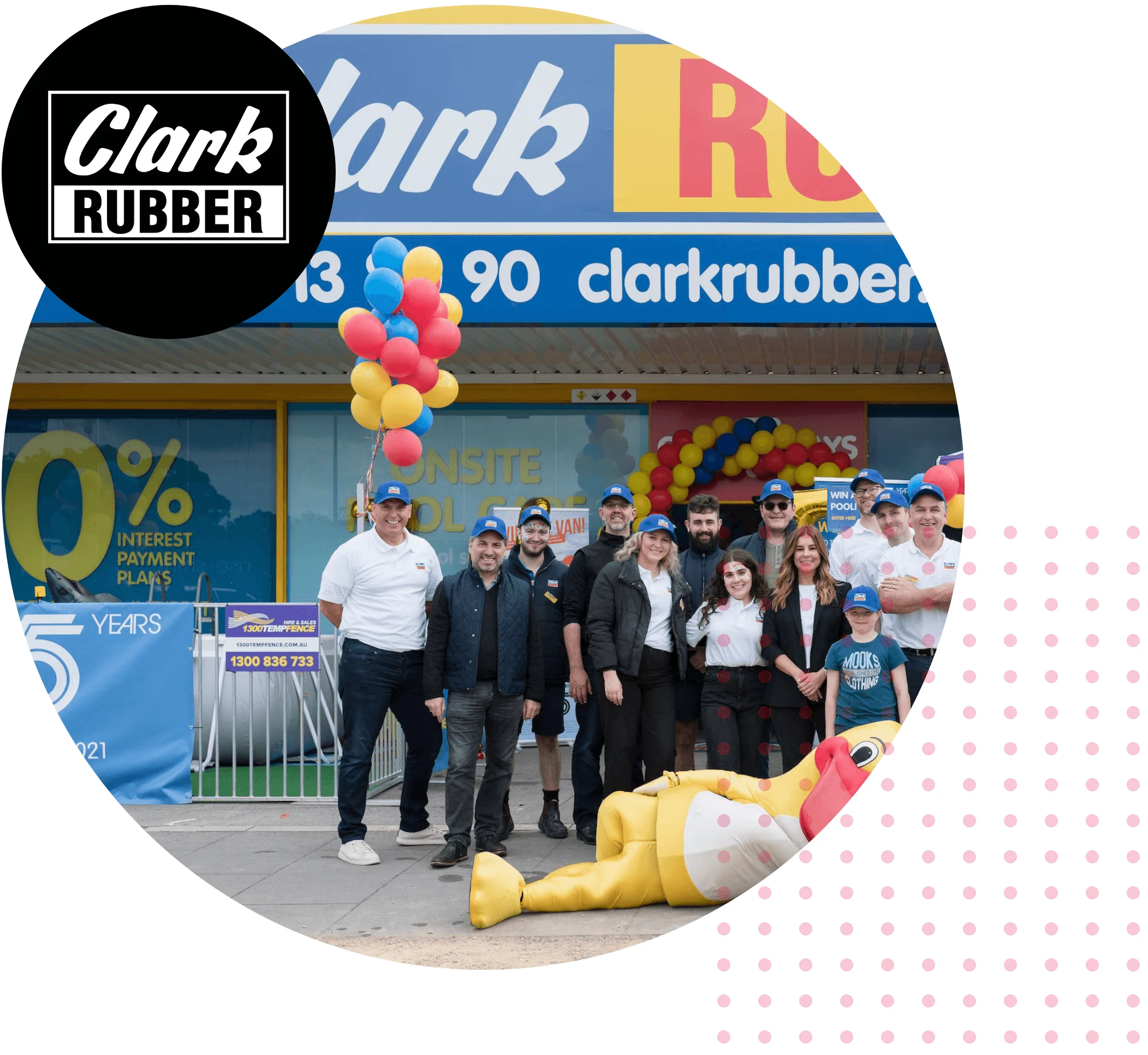
Clark Rubber unified 60 franchise storefronts with Core dna’s franchise content & commerce platform, unlocking endless aisle capabilities, real-time inventory sync, and personalized customer portals
- Aligned 60 storefront franchises under one unified system with real-time inventory sync
- Enabled endless aisle and never-out-of-stock availability across locations
- Expanded digital presence fast—marketing and eCom teams now manage everything in one place, no dev needed
Edward Plowman
Executive Director at Clark Rubber
Trusted by enterprises to deliver powerful digital experiences
Companies choosing Core dna over headless-only platforms report faster time-to-market, lower total cost of ownership, and marketing teams that can actually ship without waiting on developers.
- YMCA Toronto: $100k in annual savings + 500% growth in registrations after consolidating 7 systems into Core dna.
- Standard Process: 60% increase in eCommerce without hiring a single developer.
- Clark Rubber: 47 franchises unified under one digital platform, managed by a lean team of 4.
- RANDYS Worldwide: 4x revenue growth in year one with 7 integrated sites and 30,000 SKUs.
Real Results from Real Businesses
See how leading brands transformed their operations with Core dna.
YMCA Toronto
after consolidating 7 systems into one
Standard Process
Expanded to 86 marketplaces without hiring a single developer
Clark Rubber
70 franchises unified under one digital platform, managed by a lean team
RANDYS Worldwide
4× revenue growth in year one with 7 integrated sites and 30,000 SKUs
See Core dna in action
See how Core dna unifies content, commerce, and orchestration, and how APX agents execute within controlled guardrails.